
Eckel Pool Concepts

Pools & Spas

Custom Pool & Spa Builders Near You | Luxury Backyard Pools

Our custom pool and spa services are designed to transform your backyard into a personal retreat. We specialize in building pools and integrated spas that match your property layout, aesthetic preferences, and lifestyle needs.

Using high-quality materials and energy-efficient systems, we deliver pools and spas that provide long-term performance, comfort, and visual appeal. From sleek modern pools to resort-style designs with water features, we manage every detail from design to construction.

Ask About Flexible Financing for Your Outdoor Living Project

Get A Free Estimate

Free Consultations

Custom pools and spas are very popular in Houston because our climate is warm, and you can use your pool and your spa 12 months out of the year. The real win is you’re building a place that brings friends and family together, where you make memories and add to your quality of life, right at home.
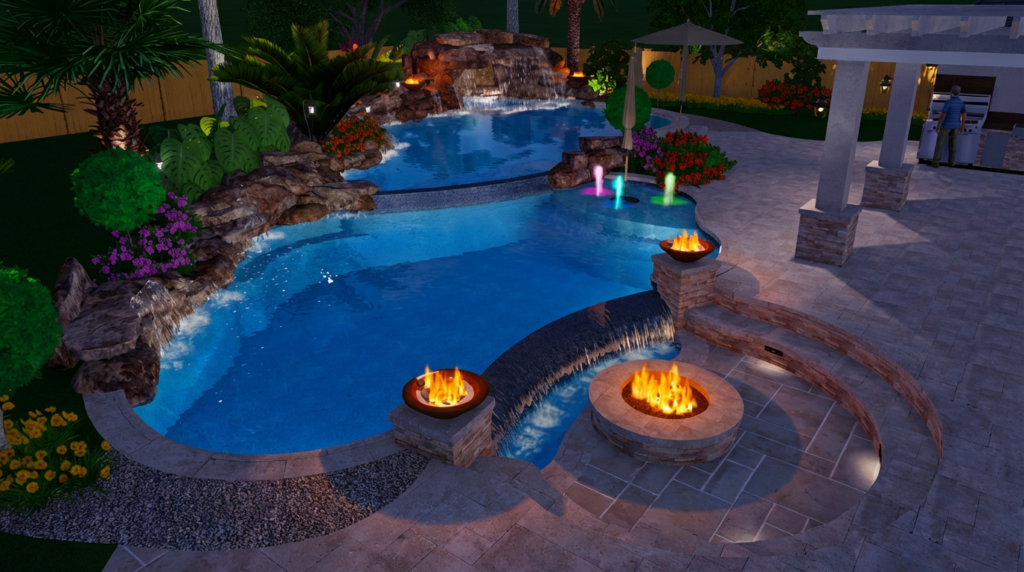
Completed pool and spa

Houston is an outdoor-living city. We get heat, we get humidity, and we get long stretches where being outside is the whole point. A custom pool and spa lets you take advantage of that instead of hiding from it.

When I say “custom,” I’m not talking about picking a rectangle out of a brochure and calling it a day. Custom means we design something that fits your yard, your lifestyle, and your goals. Some people want a simple pool that looks great and functions well. Other people want the full backyard resort with shade, fire, water, cooking, and everything tied together.

The biggest thing I want homeowners to understand up front is this: a pool is not just a hole in the ground with water in it. It’s a construction project with design decisions, engineering, permitting, material selections, and a whole sequence of steps that have to happen in the right order.

And yes, it’s worth it. You’re creating a space where your kids hang out, your friends come over, you celebrate birthdays, you host, you relax. That’s why people do this.

  • Year-round usability in Houston: With the right design, you can enjoy the pool most of the year, and a spa can be a true 12-month feature. If you add heating, you extend your season even further.
  • A real gathering place: The backyard stops being “the yard” and becomes “the hangout.”
  • Custom design that fits your property: Shape, layout, materials, and features should match your home and how you actually live.
  • Different build levels exist: Some projects are clean and minimalist. Others include a spa, shade structures, outdoor kitchens, fireplaces, landscaping, and more.
  • It’s a process: Consultation, selections, permits and HOA approvals, excavation, steel, plumbing, gunite, curing, finishes, decking, punch list, plaster, fill, and then we teach you how to use it.
  • Local realities matter: Permits and HOA requirements can vary by city, and drainage planning is a big deal around here.

We build these projects for homeowners across Houston and nearby areas like Katy, Sugar Land, Richmond, Fulshear, Missouri City, and Needville. The goal is always the same: create a backyard you actually use, not something that looks good in a photo and sits empty.

Pro tip: If you don’t have any shade around the pool, you might find you’re not using it as much as you thought. In most cases, comfort around the water, like shade and seating, is what determines how often you’ll truly be out there.
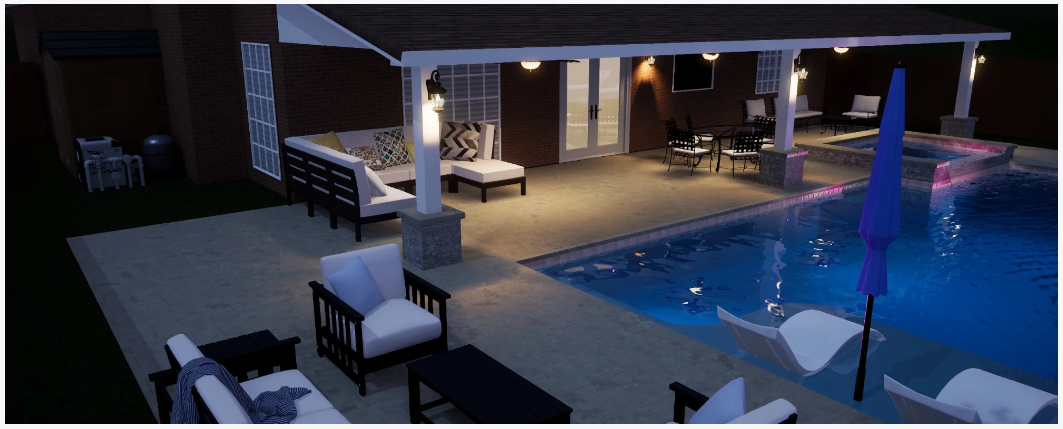
Custom Pool and Spa Price Range

Custom pools and spas typically start around $50,000 to $60,000 and can range all the way up to $200,000 or more. The wide spread in pricing comes down to size, features, materials, site conditions, and how far you want to take the overall backyard.

This is one of the first questions we get, and it’s also one of the hardest ones to answer without context. There isn’t a single “average” pool price that applies to everyone, especially here in Houston. Two pools can look similar at first glance and be tens of thousands of dollars apart once you factor everything in.

If you’re looking for something clean, well-built, and straightforward, you can absolutely build a very attractive custom pool in that lower range. As you add things like a spa, heaters, specialty materials, or outdoor living features, the investment increases quickly.

Project Level Typical Price Range What’s Usually Included
Entry-Level Custom Pool $50,000–$60,000+ Custom pool design, basic finishes, color-changing lights, optional tanning ledge, strong safety features
Mid-Range Pool & Spa $70,000–$120,000+ Pool and spa combo, heater, upgraded finishes, seating areas, improved drainage
High-End Backyard Build $120,000–$200,000+ Pool, spa, patio cover or pergola, outdoor kitchen, fire features, landscaping, turnkey scope

One thing that trips people up is comparing online prices without knowing what’s included. A “$60,000 pool” might not include drainage, engineering, upgraded materials, or permitting costs. Another project at $120,000 might include shade, kitchens, landscaping, and a spa, which makes it an entirely different animal.

In Houston and surrounding cities like Katy, Sugar Land, Richmond, and Fulshear, local permitting and HOA requirements can also influence cost. Some municipalities are more straightforward, while others require additional engineering or approvals that add time and money.

Important note: In most cases, the fastest way to dial in your real number is to decide how you want to use the backyard. A pool for cooling off is very different from a backyard designed for entertaining, cooking, and hosting year-round.

What Drives the Cost of a Custom Pool

The cost of a custom pool comes down to a handful of major variables, with size being the biggest one. After that, things like your property’s topography, material selections, and permitting requirements start to move the number up or down.

When homeowners ask why one pool costs significantly more than another, it’s almost never just one thing. It’s usually a combination of decisions that stack together. Understanding these drivers early makes it much easier to control your budget and avoid surprises.

Pool Size

Size is the number one cost driver. A larger pool requires more excavation, more steel, more gunite, more plaster, and more decking. Every extra foot adds cost across multiple phases of construction.

Topography and Site Conditions

If your pool is being built on flat, level ground, the costs are more predictable. When we’re dealing with slopes, elevation changes, or difficult access, the project becomes more complex and more expensive due to added engineering and labor.

Material and Color Selections

Not all stone is priced the same. In many cases, the quality is similar, but certain colors are more rare than others. Those rare colors can cost several times more than common options, even when the stone itself is technically comparable.

City Permits and HOA Requirements

Different cities and municipalities around Houston have different permitting requirements, and those requirements come with different costs. HOA approval processes can also vary widely and sometimes require additional documentation or revisions.

  • Pool dimensions: Length, width, depth, and overall volume all matter.
  • Lot conditions: Flat yards are simpler than sloped or tight-access properties.
  • Material choices: Coping, tile, plaster, decking, and stone colors all affect price.
  • Permitting: City and municipal requirements vary across the Houston area.
  • Engineering: More complex sites require additional planning and design.
  • Drainage: Proper water management is critical in this region and adds scope.
  • Access and logistics: Limited side-yard access can increase labor and time.

When you boil it down, controlling cost is really about making informed choices. You don’t need to cheap out, but you do need to understand where the money is going and why certain decisions carry more weight than others.

Common mistake: Homeowners often focus only on finishes and forget about site conditions. In most cases, topography and access have a bigger impact on cost than one tile color versus another.
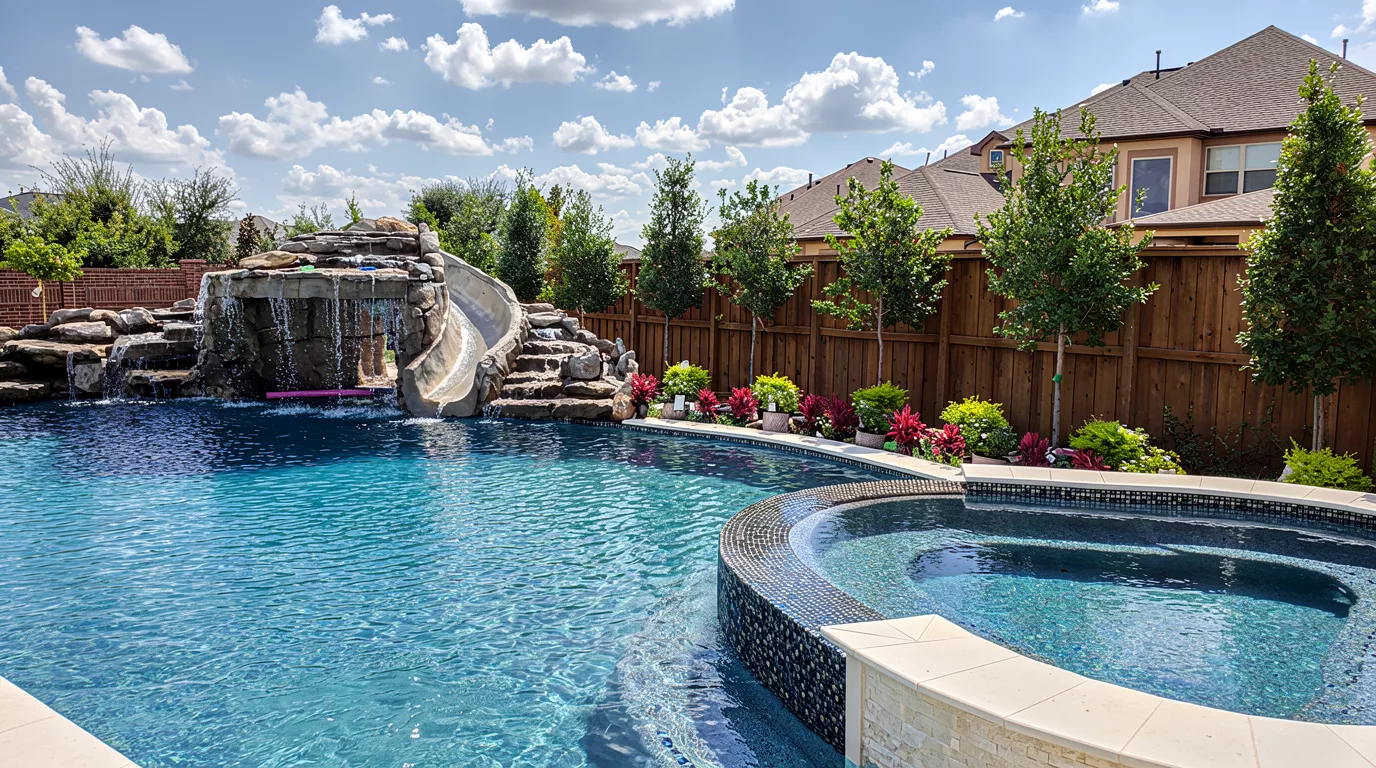
Good, Better, Best Pool and Spa Options

Most custom pool projects fall into one of three categories: good, better, or best. All three are well-built pools. The difference is how many features you want and how far you want to take the backyard as a whole.

This is the easiest way to frame the conversation early on. There is no right or wrong option here. It really comes down to how you plan to use the space and what you want your backyard to do for you long term.

Good: Entry-Level Custom Pool

This option is for homeowners who want a clean, attractive pool that functions well and is built correctly, without a lot of extras.

  • Custom-designed swimming pool
  • Minimalist layout and finishes
  • Optional tanning ledge with umbrella sleeve
  • Color-changing LED lighting
  • Strong built-in safety features
  • High-quality construction, even at the entry level

These projects typically start in the $50,000 to $60,000 range and are a great fit if your main goal is cooling off, relaxing, and enjoying the water.

Better: Pool and Spa with Comfort Upgrades

The better option is where many homeowners land. This is when the pool starts becoming a true hangout space, not just a place to swim.

  • Swimming pool with attached or integrated spa
  • Pool heater to extend the swim season
  • Improved seating and lounging areas
  • Upgraded materials and finishes
  • Thoughtful drainage planning around the pool

With a heater and spa, you can enjoy the backyard for more months out of the year. This level adds comfort and flexibility without going fully all-in on outdoor living structures.

Best: Full Backyard and Turnkey Build

The best option is for homeowners who want to fully leverage what we do. This is the full backyard transformation.

  • Custom pool and spa
  • Covered patio or pergola for shade
  • Ceiling fans and recessed lighting
  • Outdoor kitchen
  • Fireplace walls, fire pits, or fire bowls
  • Landscaping and sprinkler systems
  • Permits, fencing, access repair, and full coordination

This is where we act as a single contractor and take care of the entire project. If it were up to me, we would do this for every customer. One contract, one point of contact, and a fully finished backyard when we’re done.

Option Best For Typical Scope
Good Simple enjoyment Custom pool with essential features
Better Extended use Pool, spa, heater, and comfort upgrades
Best Complete outdoor living Pool, spa, shade, kitchen, fire, landscaping, turnkey build

Pro tip: In most cases, homeowners who plan for shade, seating, and gathering areas end up using their backyard far more than those who focus only on the pool itself.
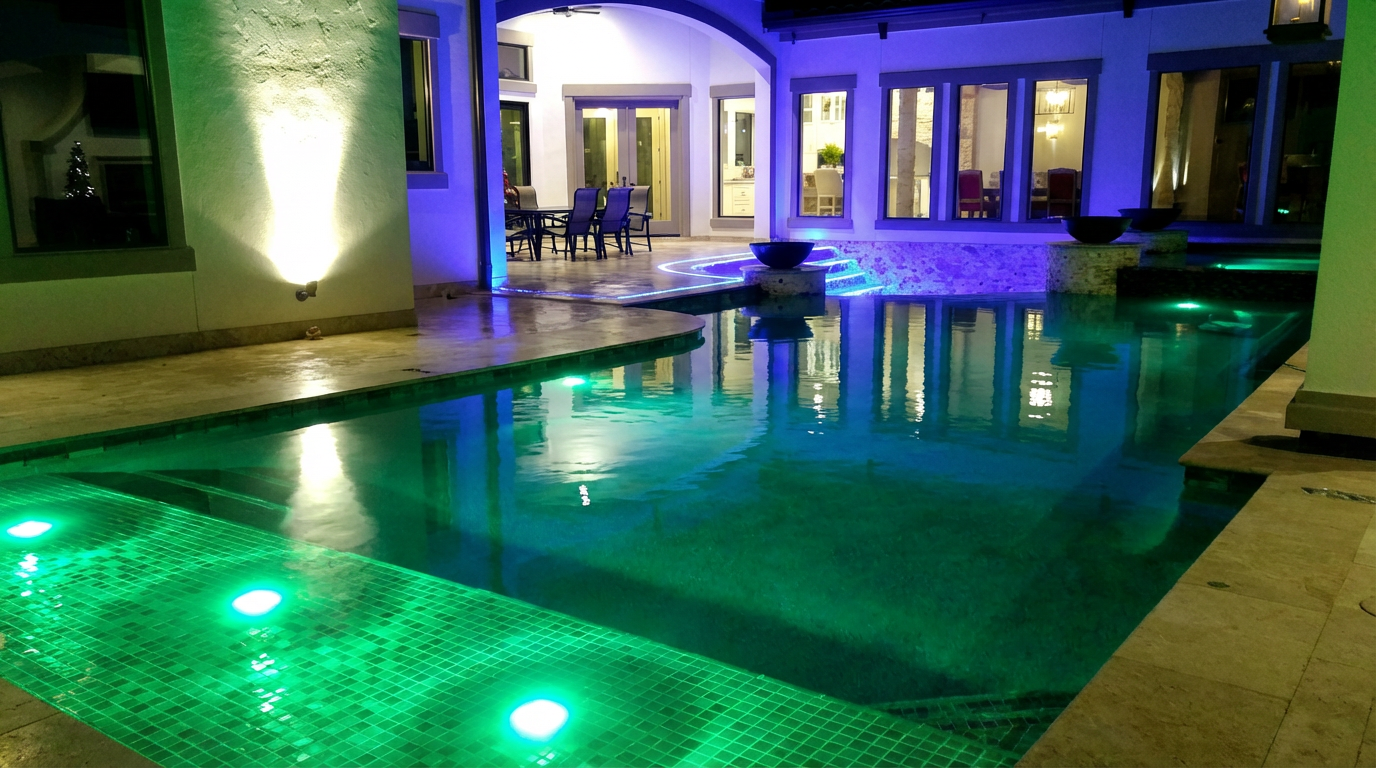
Completed pool and spa combination

The Custom Pool Installation Process

Building a custom pool is a step-by-step construction process, and every phase has to happen in the correct order. There are no shortcuts if you want the pool built right, permitted properly, and designed to last.

Most of the frustration people experience during pool construction comes from not knowing what’s happening next. Once you understand the sequence, the project makes a lot more sense and feels far more manageable.

Step 1: Consultation and Design

The process starts with an on-site consultation. We walk your property, talk through how you want to use the backyard, and identify any constraints like drainage, access, or HOA requirements.

Step 2: Material Selections

Once the layout is agreed on, you’ll go to the materials showroom to select your tile, coping, plaster color, stone, and finishes. This is where a lot of cost control happens. Picking everything up front keeps the project moving.

Step 3: HOA Approval and Permitting

We handle the HOA submission, city permits, and any required engineering. Different cities around Houston have different requirements, and this phase can take some time depending on where you live.

Step 4: Excavation

Once permits are approved, we dig the pool. Soil is removed from the site, and this is when it really starts to look like something is happening. This is also when the yard disruption begins.

Step 5: Steel and Plumbing

Rebar crews come in and tie the steel to form the structure of the pool. After that, we install the plumbing for returns, main drains, skimmers, and other circulation components.

Step 6: Gunite or Shotcrete

The shell of the pool is formed using gunite or shotcrete, depending on the area. Once installed, the shell needs time to cure properly.

Step 7: Curing Period

The shell must cure for 10 to 30 days. During this time, homeowners are encouraged to water the shell multiple times per day, usually two to five times depending on the weather.

Step 8: Tile, Coping, and Underground Work

After curing, we install tile and coping, complete underground plumbing and electrical work, and handle drainage to move rainwater away from the pool.

Step 9: Decking and Finishes

Decking is installed around the pool using concrete or pavers. At this stage, the project is typically about 90 to 95 percent complete.

Step 10: Punch List, Plaster, and Startup

We create a punch list with you to address any remaining items before plaster. Once those are resolved, the pool is plastered, filled, and we teach you how to operate everything.

  1. Consultation and design
  2. Material selections
  3. HOA and permits
  4. Excavation
  5. Steel and plumbing
  6. Gunite or shotcrete
  7. Curing period
  8. Tile, coping, and underground work
  9. Decking installation
  10. Punch list, plaster, and orientation

Important: In most cases, delays happen when material selections change after construction starts. Knowing what you want before we break ground keeps the project moving.
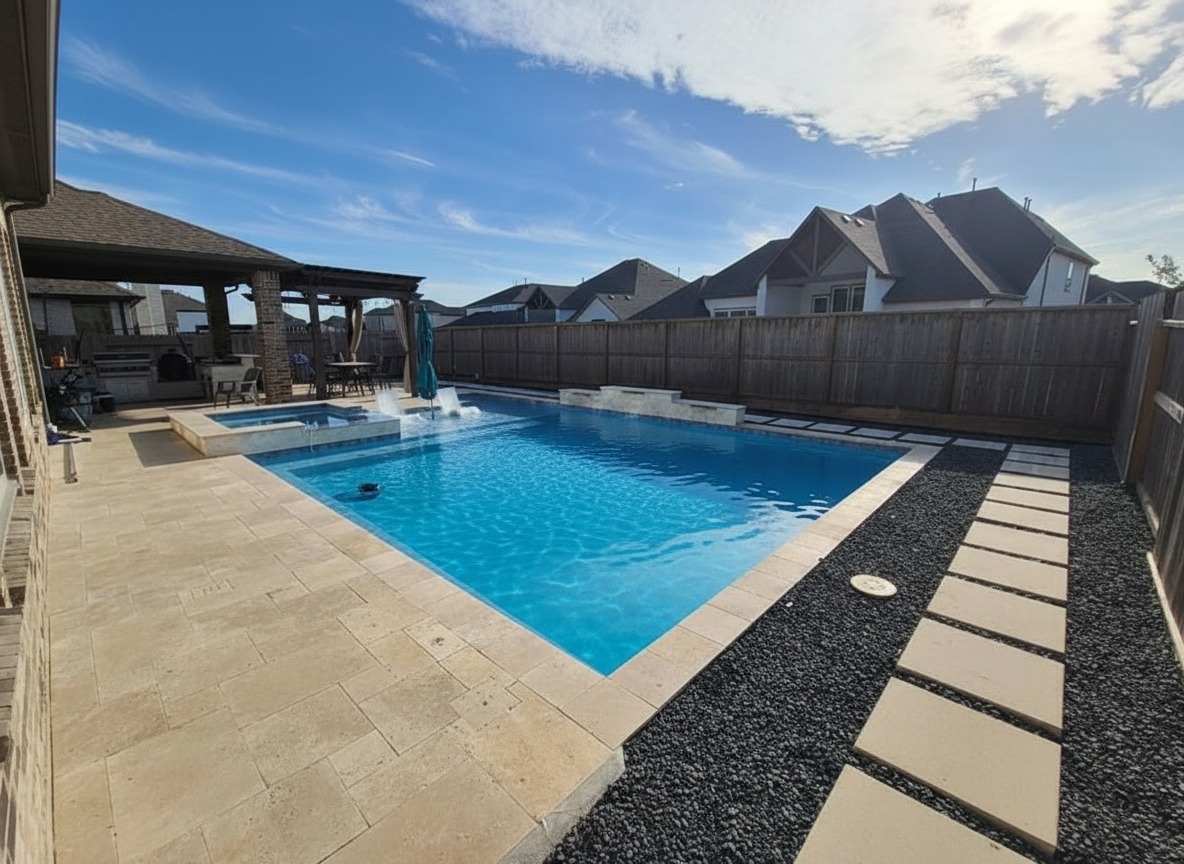
What to Expect During Pool Construction

Pool construction is disruptive, messy, and temporary. The best way I can describe it is a painful pregnancy or a plane crashing into your backyard, but the baby is worth it in the end.

This section is important because a lot of frustration comes from expectations that were never set correctly. We don’t sugarcoat this part. If you know what’s coming, the process is much easier to live through.

When we build a pool, we have to break some eggs to make an omelette. Those eggs happen to be your backyard and your side yard. There will be dirt, equipment, noise, and people coming and going. That’s just part of construction.

The good news is that all of this is temporary. Every phase has a purpose, and once it’s done, it’s done. The key is keeping your eyes on the end goal instead of focusing on the mess in the middle.

  • Noise and equipment: Excavators, trucks, compressors, and crews will be on site at different stages.
  • Yard disruption: Grass, landscaping, and side-yard access will be impacted during construction.
  • Soil removal: Dirt has to come out, and that means haul-off trucks and staging areas.
  • Construction traffic: Multiple trades will be involved at different times.
  • Weather exposure: Rain and heat can affect scheduling, especially here in Houston.
  • Temporary inconvenience: The backyard will not be usable until the project is complete.

It’s also important to understand that progress doesn’t always look linear. Some days it feels like nothing happened, and then suddenly a major phase is completed in a single day. That’s normal.

If something is bothering you during the build, don’t wait until the end. Tell us as early as possible so we can address it early. Waiting until the project is almost finished is one of the fastest ways to add time to the schedule.

Reality check: Pool construction is not clean or quiet, but it is temporary. If you trust the process and focus on the finished backyard, you’ll be very happy when it’s done.

Completed pool and spa combination

Features and Options You Can Add to Your Pool

A swimming pool is usually just the starting point. Most homeowners end up adding features that make the backyard more comfortable, more usable, and more enjoyable throughout the year.

Once the pool is in, people quickly realize that how you use the space around the water matters just as much as the pool itself. Shade, sound, heat, cooking, and seating all play a role in how often you’re actually out there.

Some of these features are about comfort. Others are about function. And some are simply about creating a backyard that feels finished instead of pieced together.

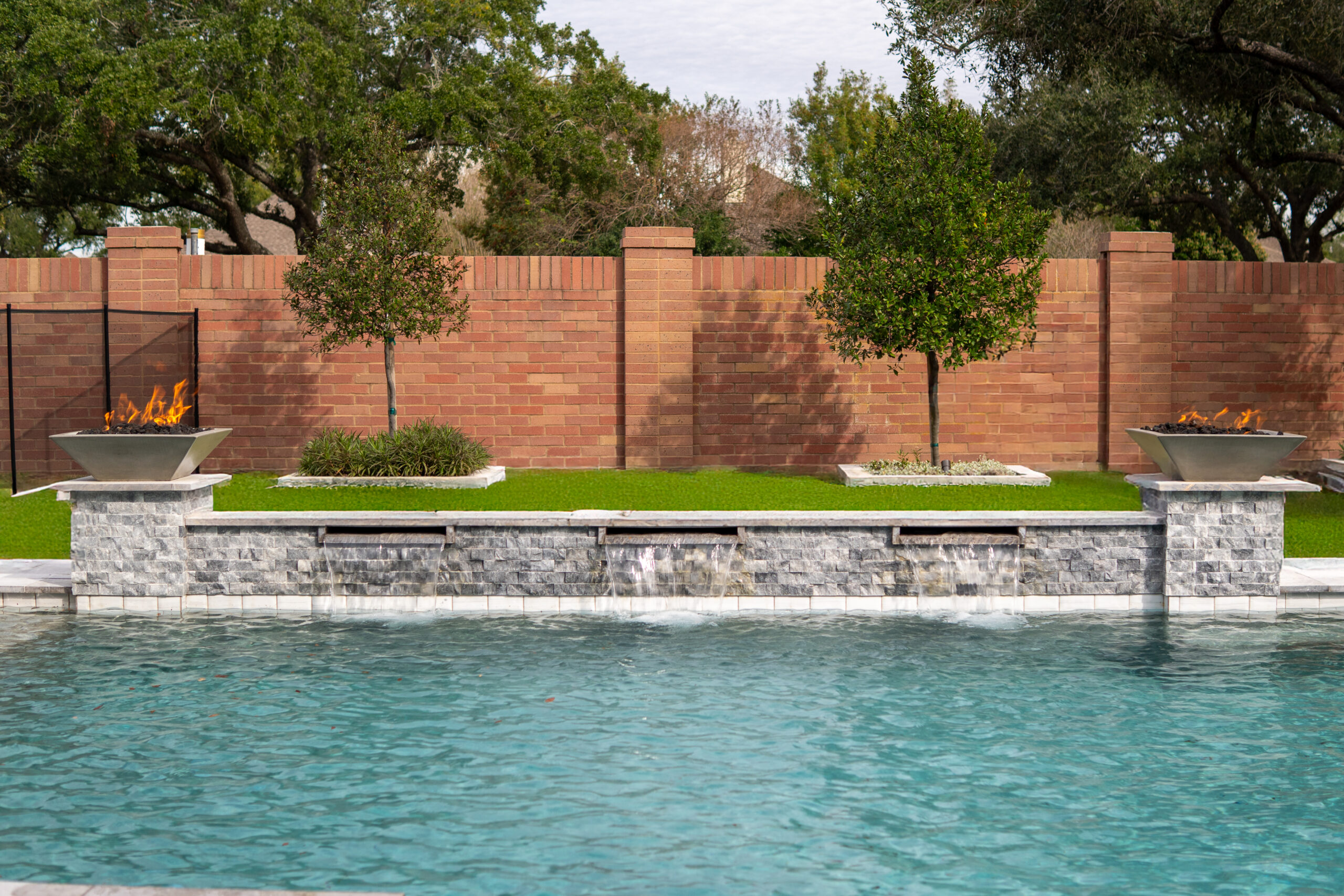
  • Fire features: Fire bowls, fire pits, and fireplace walls add warmth, ambiance, and a focal point for evening use.
  • Water features: Bubblers, scuppers, sheer descents, and natural rock waterfalls add movement and sound.
  • Noise control: Water features can help drown out road noise or nearby traffic.
  • Outdoor kitchens: Built with the same gunite, rebar, and stone as the pool for a cohesive look.
  • Covered patios and pergolas: Shade structures with ceiling fans and lighting make the space usable in the heat.
  • Outdoor bathrooms: Convenient for guests and keeps wet traffic out of the house.
  • Landscaping: Designed to handle Houston’s heat, rain, and occasional freezes.
  • Heating and cooling: Pool heaters extend the season, and chillers can cool the water during extreme heat.
  • Automation systems: Control lighting, temperature, and features from your phone.

These features can be added individually or combined into a full outdoor living plan. In most cases, it’s more efficient to plan them at the beginning instead of trying to bolt them on later.

Pro tip: Homeowners who plan shade, seating, and gathering areas at the same time as the pool almost always use their backyard more than those who focus only on the water.
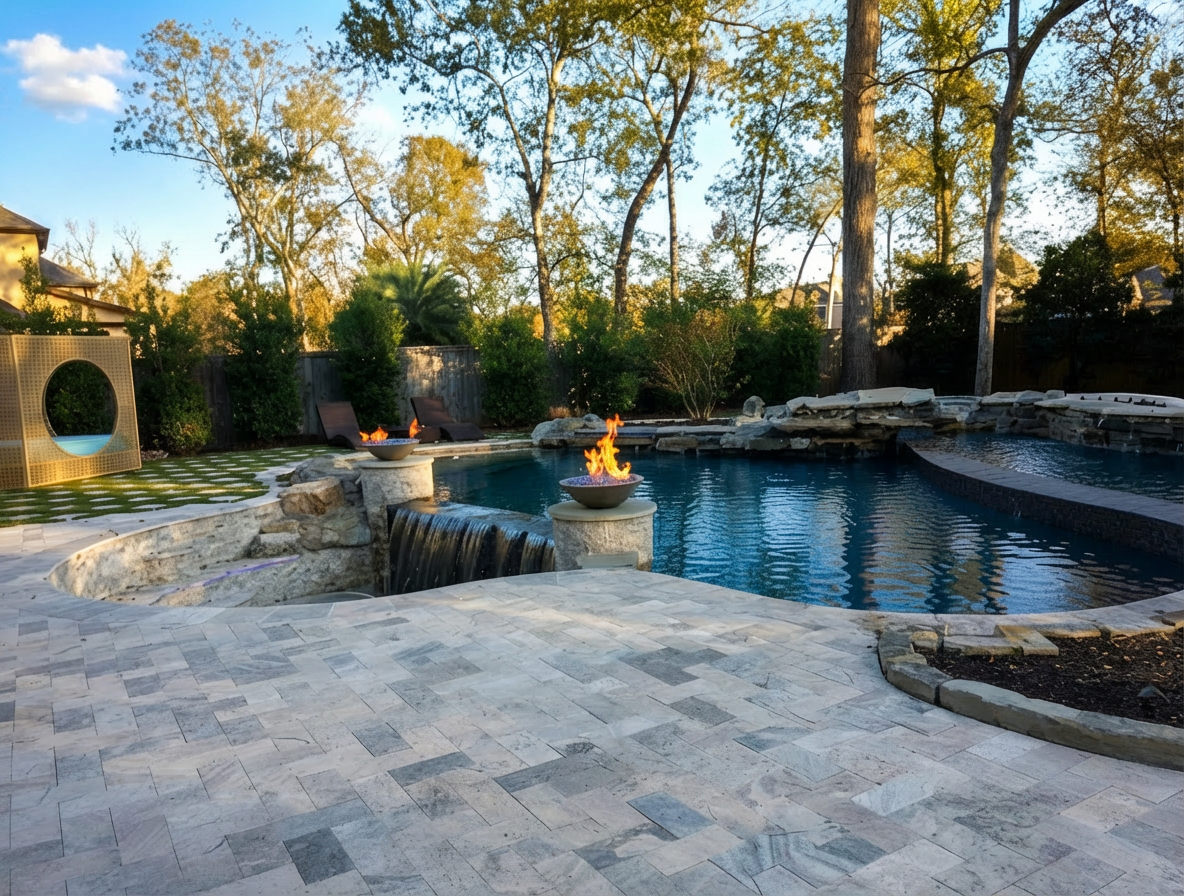
In-Depth Look at Pool and Outdoor Living Features

Every feature you add to a pool serves a purpose beyond looks. Some improve comfort, some improve usability, and others solve real problems like heat, noise, or lack of gathering space.

This is where design starts to matter more than the wish list. The goal is not to add everything. The goal is to add the right things so the backyard actually works for how you live.

Fire Features

Fire bowls, fire pits, and fireplace walls extend how long you can use the backyard, especially in the evenings and cooler months. They also give people a place to gather that is not centered around the pool itself.

Fire bowls are often placed in or near the pool for visual impact. Fire pits and fireplaces tend to be part of seating areas or under covered patios where people naturally congregate.

Water Features and Sound Control

Water features do more than look nice. Bubblers, scuppers, sheer descents, and natural rock waterfalls create movement and sound that make the space feel alive.

In many cases, they also help drown out unwanted noise. If you have a road, neighbors, or nearby traffic, moving water can make a big difference in how peaceful the backyard feels.

Outdoor Kitchens

Outdoor kitchens are one of the most-used features we build. In Houston, we grill and cook outside whenever we can.

These kitchens are built with the same structural approach as the pool itself using gunite, rebar, and durable stone. They can include grills, refrigerators, wine coolers, warming drawers, and storage, all designed to hold up to the elements.

Shade Structures and Covered Patios

Houston heat is no joke. A pool without shade often gets used less than people expect. Covered patios and pergolas give you a place to sit, eat, and relax without baking in the sun.

Ceiling fans, recessed lighting, and integrated seating turn these structures into true outdoor rooms instead of just a roof.

Landscaping That Actually Lasts

Landscaping needs to be designed for our weather patterns. We deal with heat, heavy rain, and occasional freezes that can wipe out non-native plants.

We focus on layouts and plant selections that hold up over time, so you are not redoing your landscaping every year. Seasonal color is fine, but the backbone should be durable.

Heating, Cooling, and Specialty Systems

Pool heaters allow you to extend your swim season by months. On the other end of the spectrum, heat pump chillers can cool the pool during extreme heat.

Some homeowners even choose to chill their spa down to cold plunge temperatures. Salt systems, ozone systems, and automation can also be added based on preference and maintenance goals.

  • Fire features for warmth and gathering
  • Water features for sound and movement
  • Outdoor kitchens for entertaining
  • Shade structures for comfort
  • Landscaping designed for Houston weather
  • Heating and cooling systems for year-round use

Design insight: In most cases, the best backyards are not the ones with the most features. They are the ones where every feature has a clear purpose and gets used regularly.

How Long Does It Take to Build a Pool?

In most cases, a standard pool and spa build takes about two months when the weather cooperates. That timeline assumes materials are selected up front, payments are made on time, and there are no major changes mid-project.

This is one of the most common questions we get, and it’s a fair one. Everyone wants to know when they’ll actually be swimming. While every project is different, there are some consistent factors that influence how fast or slow a build moves.

The biggest thing to understand is that pool construction is not just one crew showing up every day. It’s a sequence of specialized trades, inspections, and cure times. Some steps simply cannot be rushed.

Typical Timeline With Good Conditions

  • Design, selections, and permitting
  • Excavation and steel
  • Plumbing and gunite
  • Curing period
  • Tile, coping, and underground work
  • Decking and finishes
  • Punch list, plaster, fill, and startup

When everything lines up, that process averages right around two months. Weather delays, inspections, and cure times can stretch that out, especially during heavy rain periods.

What Can Slow a Project Down

  • Changing materials mid-project: Switching tile, coping, or plaster after construction starts can add significant time.
  • Late decisions: Waiting to pick colors or features creates downtime.
  • Payment delays: We move as fast as we’re able, but we also move as fast as you pay us.
  • Waiting to raise concerns: Issues addressed early are easier and faster to fix.
  • Weather: Heavy rain and extreme heat can impact scheduling.

If your goal is speed, the best thing you can do is make all selections before we break ground, stick with those choices, and stay on top of scheduled payments. That allows us to fast-track the work and keep crews moving.

Timeline tip: In most cases, the fastest projects are the ones where homeowners decide what they want early, don’t change it, and communicate issues as soon as they come up.

Completed pool and spa combination in Phoenix Arizona

Pool and Equipment Warranties Explained

Different parts of your pool have different warranties, and they do not all work the same way. Understanding what is covered, how long it’s covered, and when those warranties start matters more than most homeowners realize.

A swimming pool is not one single product. It’s a collection of systems, materials, and workmanship, and each of those carries its own warranty terms. We make a point to explain this clearly so there are no surprises later.

Gunite Shell Structural Warranty

The most important warranty on the pool is the structure itself. The gunite shell carries a lifetime structural warranty for the original homeowner.

This means we guarantee that the shell will hold water for as long as you own the home. If there is a structural issue related to cracking or failure of the shell, the gunite contractor will come out and make the repair.

Equipment Manufacturer Warranties

Pumps, filters, heaters, automation systems, and other mechanical equipment typically carry a three-year manufacturer warranty.

One important detail is when that warranty clock starts. The three-year period begins at plaster, not when the equipment arrives on site or gets installed.

Workmanship Warranties

Items like plumbing, tile, coping, and electrical work are also covered for three years. Just like the equipment, those warranties begin at plaster.

  • Gunite shell: Lifetime structural warranty for the original homeowner
  • Pumps and filters: Typically three-year manufacturer warranty
  • Heaters and automation: Typically three-year manufacturer warranty
  • Plumbing, tile, coping, electrical: Three-year workmanship warranty

Insurance and Storm Protection

Once those initial three-year warranties expire, we strongly recommend adding pool equipment to your homeowner’s insurance policy. This gives you long-term protection beyond the manufacturer period.

Here in Houston, power surges from lightning storms are a real issue. We also recommend installing a surge protector in your breaker panel to help protect sensitive pool equipment from storm-related damage.

Important note: In most cases, warranty confusion comes from not knowing when coverage starts. Remember, the clock starts at plaster, not delivery or installation.
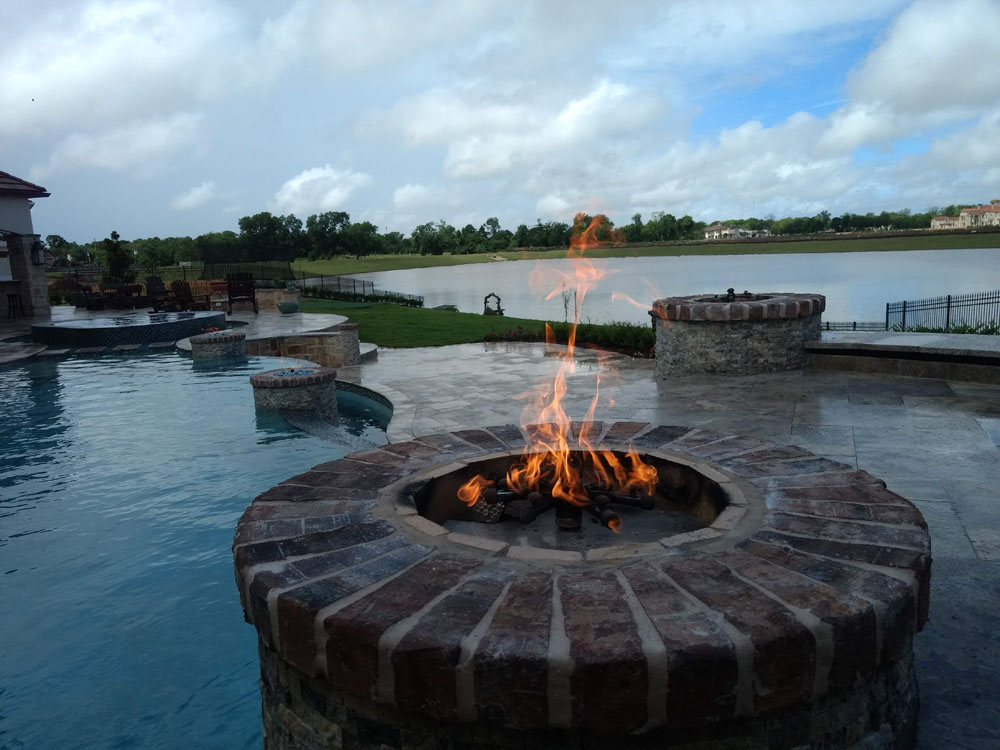
Homeowner Maintenance Responsibilities

Even with modern equipment and automation, owning a pool comes with ongoing responsibilities. The good news is that when things are set up correctly, maintenance is manageable and predictable.

A lot of homeowners assume a new pool will take care of itself. While today’s systems are far better than they used to be, there are still basic tasks that need attention to keep the water clean, the equipment protected, and the pool looking good.

Water Chemistry and Cleanliness

Keeping the water balanced is one of the most important parts of pool ownership. Proper chemistry protects your plaster, tile, and equipment while keeping the water safe and comfortable to swim in.

  • Regular testing of chlorine or sanitizer levels
  • Monitoring pH and alkalinity
  • Brushing walls and steps as needed
  • Skimming debris from the surface

Equipment Monitoring

Pumps, filters, heaters, and automation systems do most of the heavy lifting, but they still need to be checked periodically. Catching small issues early can prevent larger repairs later.

  • Cleaning or backwashing filters on schedule
  • Watching for leaks, unusual noises, or error messages
  • Making sure timers and automation settings stay correct
  • Keeping equipment pads clear of debris

Seasonal and Weather Considerations

Houston weather brings heat, heavy rain, and occasional freezes. Each of those conditions requires some attention from the homeowner.

  • Adjusting run times during extreme heat
  • Managing water levels during heavy rain
  • Freeze protection during cold snaps
  • Monitoring chemistry after storms

Many homeowners choose to hire a weekly pool service, especially during the first year. Others prefer to handle it themselves once they are comfortable. Either approach is fine as long as the pool is consistently cared for.

Owner mindset: In most cases, pools that last the longest are owned by people who pay attention to small issues before they become big ones.

Other Important Things to Know Before You Build

The smoothest pool projects are the ones where expectations are clear, decisions are made early, and communication stays open from start to finish.

Most problems we see during pool construction are not technical problems. They’re planning problems. When everyone is on the same page from day one, the project moves faster and with far less stress.

Pick Your Materials Early and Stick With Them

Material selections have a huge impact on both timeline and cost. Tile, coping, plaster, decking, and stone should all be selected before construction starts.

Changing materials in the middle of the project almost always adds time. It can also add cost. It’s far more efficient to know exactly what we’re building before we break ground.

Communication Matters More Than People Realize

If something doesn’t look right or doesn’t feel right, say something early. Addressing concerns in real time is much easier than trying to fix them at the end.

Waiting until plaster day to bring up an issue is one of the fastest ways to delay completion.

Payment Timing Affects Timeline

This is something most contractors won’t say out loud, but we will. We move as fast as we’re able, and we also move as fast as you pay us.

If payments are delayed because funds need to be moved around, those days get added directly to the project timeline.

Working With Other Builders or Contractors

If you’re still building your home or working with another contractor, we’re happy to coordinate. We can take on the entire project or work in partnership depending on your situation.

  • Make all major design and material decisions early
  • Avoid mid-project changes whenever possible
  • Communicate concerns as soon as they arise
  • Be prepared for scheduled payments
  • Understand that coordination takes time

Big picture: In most cases, the homeowners who enjoy the process the most are the ones who understand it’s a construction project first and a finished backyard second.

Financing Options for Custom Pools and Outdoor Living

Most homeowners do not pay cash for a custom pool and backyard project, and they don’t have to. Financing allows you to build your dream yard now instead of waiting years to save up for it.

Pools, spas, and outdoor living areas are a major investment. We understand that writing a check for the full amount is not realistic or comfortable for everyone. That’s why we work with multiple financing partners to give homeowners flexible options.

In many cases, you can finance the entire project with no money down. That means you can move forward without pulling cash out of savings or delaying the project while you wait.

How Pool Financing Typically Works

  • No money down options available
  • Financing can cover the entire project cost
  • Loan terms typically range from 15 to 20 years
  • No prepayment penalties with most programs
  • You can pay the loan off early if you choose

These programs are similar to financing used in the boat and RV industries. They’re designed for large recreational investments and give you manageable monthly payments instead of a massive upfront expense.

One of the biggest advantages is flexibility. If you come into extra cash later, you can pay the loan down or pay it off completely without being penalized. You’re not locked in.

For many homeowners, financing makes it possible to enjoy their backyard now instead of waiting while prices continue to rise and construction costs increase.

Financing insight: In most cases, homeowners who finance end up enjoying their backyard for years while they’re paying it off, instead of waiting years just to get started.

Next Steps: Designing Your Custom Pool and Backyard

If everything you’ve read so far sounds like what you’re looking for, the next step is a design consultation. This is where we look at your property, talk through your goals, and start shaping a pool and backyard that actually fits your life.

The consultation is not a high-pressure sales visit. It’s a working meeting. We walk your yard, talk about how you want to use the space, discuss budget ranges, and identify any constraints like drainage, access, HOA rules, or city requirements.

From there, we can start putting real numbers and real ideas together instead of guessing. That’s when the project becomes tangible.

What Happens After You Click the Button

  • You fill out a short form with basic project details
  • We schedule an on-site consultation at your home
  • We review layout, features, and budget expectations
  • We discuss pool, spa, and outdoor living options
  • We outline next steps for design, selections, and permitting

Whether you’re thinking about a simple custom pool or a full backyard with a spa, patio cover, outdoor kitchen, and fire features, this step lets us tailor everything to your property and your priorities.

We work with homeowners across Houston, Katy, Sugar Land, Richmond, Fulshear, Missouri City, and Needville, and every project starts the same way. A conversation, a plan, and clear expectations.

When you’re ready, click the button below to get started.

Start Your Custom Pool Estimate

Final thought: The best pools aren’t the ones rushed into. They’re the ones planned correctly from day one.

Let’s Design Your Backyard With Our Free Project Estimate

Start your custom backyard project with a personalized, no-obligation estimate today.

Why Choose us

Experience You Can Count On

Clear Communication

Honest updates and timelines. No surprises, just transparency.

Custom Designs

Tailored to your space and lifestyle. Every detail is planned to match your vision.

Customer First

Your satisfaction comes first. We stand behind our work and service.

Frequently Asked Questions

Most Popular Questions.

Most custom pools in the Houston area start around $50,000 to $60,000 and can go up to $200,000 or more. The final cost depends on pool size, whether you add a spa, material selections, site conditions, drainage needs, and local permitting requirements.

In most cases, a standard pool and spa build takes about two months with good weather. That timeline assumes materials are selected up front, there are no major changes during construction, and payments are made on time.

Yes. Houston’s climate allows pools to be used most of the year, and spas can be used 12 months out of the year. Many homeowners add heaters to extend their swim season and some add chillers to cool the water during extreme summer heat.

The biggest delays usually come from changing materials after construction starts, waiting too long to make decisions, late payments, or waiting until the end to bring up concerns. Weather and inspections can also affect the schedule.

In most cases, yes. Pools typically require city permits, and many neighborhoods also require HOA approval. Requirements vary by city and HOA, and those differences can affect both cost and timeline. We handle this entire process on your behalf.

Yes, it can be. Pool construction is messy and disruptive, but it’s temporary. A good way to think about it is a short-term inconvenience for a long-term payoff. Once it’s done, you’re left with a backyard you’ll enjoy for years.